Choosing between keno vs lotto which is better depends on how you want to spend your time and money. Both games sit in separate corners of the gambling landscape, and each rewards a different kind of patience. We have looked at the practical differences so you can decide what suits your habits without chasing noise or hype.
Understanding the Two Games
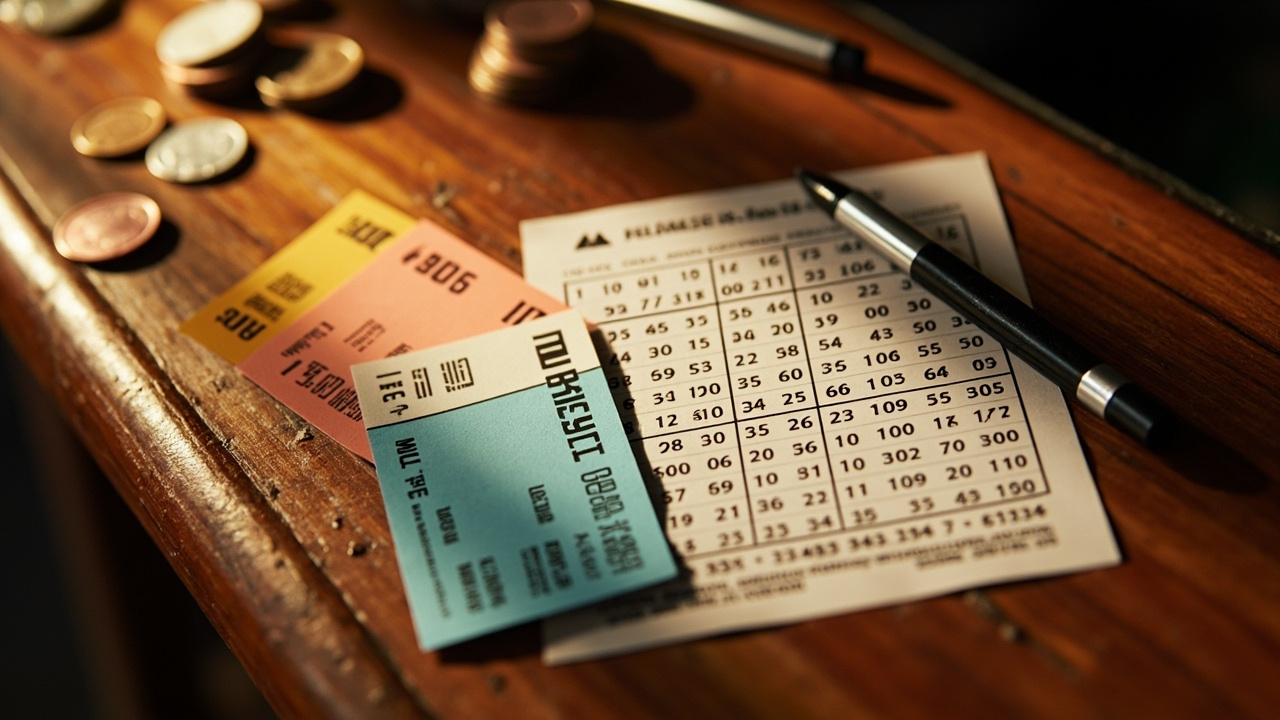
Keno is a numbers game where you pick spots and hope they match the drawn balls. You can usually play multiple rounds an hour, and the pace stays fast even on a phone screen. Lotto works differently because you buy tickets for a scheduled draw, often weekly, and wait for the results to land. The delay matters if you like instant feedback, but it also suits people who prefer setting a budget and forgetting about it until draw night. Online Casino Games With Better Ways
Some platforms let you check results through a browser or app without downloading heavy software. When you compare online casino games to win money across different formats, the mobile experience often decides how often you return. A responsive layout with clear navigation makes quick sessions easier, especially when you are squeezed between errands and want something simple.
| Feature | Keno | Lotto |
|---|---|---|
| Play style | Ongoing rounds | Scheduled draws |
| Typical session | Minutes | Days between draws |
| Mobile fit | Fast, repetitive | Check results, buy tickets |
| Budget control | Per round | Per ticket |
What the Numbers Mean for Your Wallet
The first thing worth weighing is how the odds and payouts sit in practice. Keno usually offers smaller prizes more often, with larger jackpots available when you catch a long run of matches. Lotto tends to flip that shape, with rare big wins and smaller prizes scattered across lower tiers. Neither format guarantees anything, and both can chew through a budget if you treat them like income.
Cameron Murphy, Gaming Technology Consultant, Top End Gaming Advisory, says the pace of keno can make spending feel lighter than it really is because each round passes quickly. That matters for anyone who likes short sessions and does not want to sit through long gaps between results.
Matilda Fisher, Senior Market Analyst, Daintree Digital Ventures, notes that lotto players often budget around a fixed ticket cost, which can make the spend easier to track over weeks. The trade-off is that you are locked into a draw schedule rather than choosing when to play. https://royaleeels-aus.com
A practical example helps here. If you live in Canberra and want a quick game during a lunch break, keno fits because you can play a round or two and step away without waiting for a weekly draw. If you prefer marking a ticket once and letting it ride, lotto suits that habit better, especially if you already buy tickets for the local draws.
Payment and registration details also shape the experience. Some operators keep things simple with Australian dollar accounts, straightforward sign-up steps, and support channels that answer during busy periods. Loyalty perks and bonus mechanics vary widely, so it is worth checking what actually applies to your play rather than assuming every promotion works the same way. Currency clarity matters too, because mixed denominations can make it harder to judge your real spend.
Who Each Game Suits Best
Keno suits players who want a fast, repeatable session and do not mind checking results often. It works well on mobile when the interface stays clean and the rounds load without delay. Lotto suits people who like a clear schedule, a fixed ticket cost, and the feeling of waiting for a single result rather than chasing continuous outcomes.
If you like controlling the timing of every round, keno is the more natural fit. If you prefer a set-and-wait approach with a defined ticket price, lotto lines up better with that style. The right choice is less about which game is better in the abstract and more about which pattern matches how you actually want to play.
The choice between keno vs lotto which is better comes down to pace, budget style, and how much waiting you are comfortable with. Pick the format that fits your routine, keep your spend clear, and treat both as paid entertainment rather than a plan to make money.